

Choosing the Right Heating System for Your Home
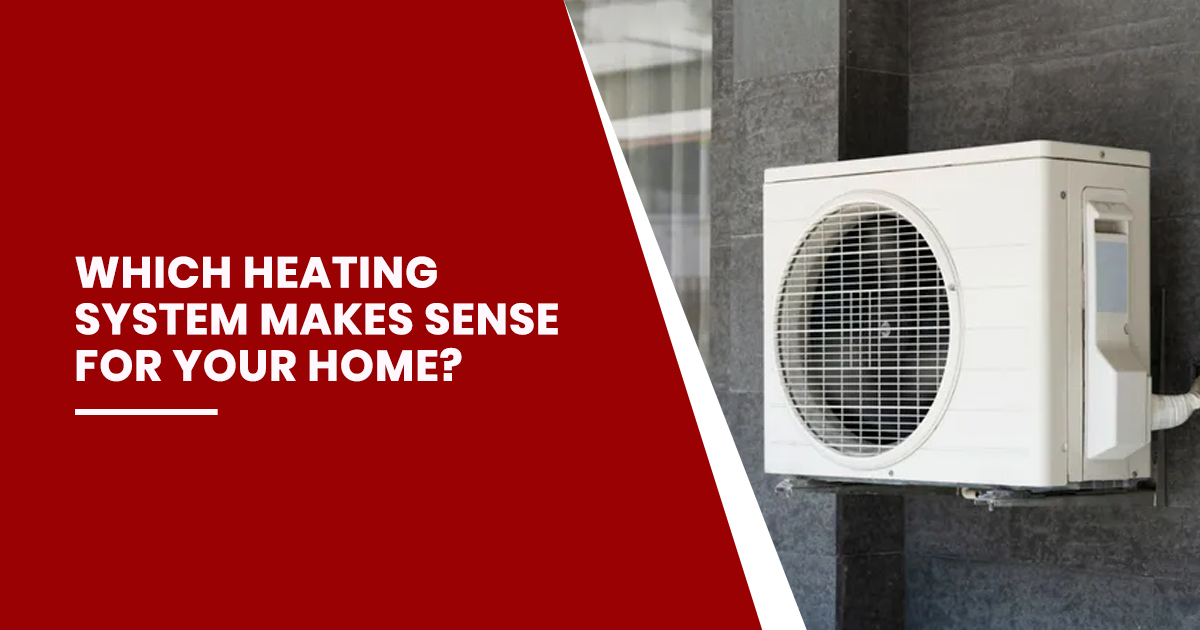
Deciding between a high-efficiency heat pump and a traditional furnace depends on your home’s needs and local climate. Neither system is automatically “better” than the other – the right choice comes down to factors like Missouri’s winter temperatures, your home’s size and insulation, and how you plan to use the system. Here are a few things to consider as you weigh your options:
- How It Works: Heat pumps work like a reversible air conditioner. In winter, they move heat from outdoors into your home; in summer, they reverse and cool your home. Furnaces, on the other hand, burn fuel (natural gas, propane, or oil) to generate heat. Both do the same job – putting warm air into your house – but they do it in different ways.
- Efficiency and Comfort: Heat pumps are very efficient because they transfer heat instead of creating it. In mild climates or moderate winters, a heat pump can often heat your home comfortably while using less electricity than a furnace would use fuel. Furnaces are great at producing steady, warm air, even when nights get very cold. In Missouri winters, which can dip into freezing weather, a heat pump may run well for most of the season, but on the coldest days it might switch to a backup heating mode. With a furnace, you can count on warm air no matter how low the temperature goes outside.
- Energy Costs: Think about whether you pay more for electricity or for gas. If electricity is relatively cheap in your area, a heat pump could be more cost-effective. If you have access to inexpensive natural gas, a furnace might cost less to run each month. It’s a good idea to look at last year’s energy bills to see what you were paying for fuel versus electricity. This isn’t a guarantee of savings – energy prices change – but it can give you a rough sense of what might make sense for your budget. Remember, a heat pump will cool your home in summer, too, so you’re essentially getting two systems in one (heating and air conditioning). If you already have a separate air conditioner and it’s still in good shape, a furnace plus existing AC might be just fine. If your AC is old and needs replacing, a heat pump becomes more attractive since it handles both heating and cooling.
- Home Insulation and Ductwork: A critical factor is your home’s insulation and duct system. Both heat pumps and furnaces rely on ducts to deliver warm air. If your ducts are leaky, undersized, or poorly sealed, neither system will work efficiently. In some cases, installing or upgrading a heat pump might require adjusting the ducts for the higher airflow of the unit. Good insulation everywhere – attic, walls, basement – will help any heating system perform better and keep your utility bills under control. If your home is older or drafty, boosting insulation and sealing leaks can often save you money regardless of which heating system you choose. In fact, a certified HVAC technician can inspect your home’s ducts and insulation as part of the decision. Custom ductwork and proper sizing, for example, make sure that warm air reaches every room without extra effort. This is one area where experts often help homeowners: matching the ductwork to the new system so it works at peak efficiency.
- Installation and Maintenance: Look into the installation difference. A heat pump installation might take a bit longer and cost you more if it involves running electricity lines or adding a condenser outside. Furnaces usually connect to a gas line and chimney or vent. Either way, professional installation will make a big difference in efficiency and safety. Once installed, both systems need regular maintenance. A furnace needs annual checks on burners and vents; a heat pump needs seasonal checks (often one in spring for cooling and one in fall for heating). The good news is that having a local HVAC pro perform tune-ups can extend the life of either system. They can clean or replace filters, test the system’s output, and make sure everything is running smoothly.
- Climate Considerations: In most parts of Missouri, winters are cold but not extreme for long periods. Modern cold-climate heat pumps are designed to work even when outdoor temperatures are below freezing. If your winters aren’t usually below 0°F, a heat pump can handle most heating needs and switch on backup heat only occasionally. A furnace, however, is always ready for the coldest night. So if you sometimes face icy nights that last for days, weigh whether you’re comfortable relying on a backup element for your heat.
- Year-Round Comfort: Heat pumps have the advantage of being “two-in-one.” They heat in winter and cool in summer. If you don’t have central air and are considering adding cooling, a heat pump gives you both heating and cooling with one appliance. A furnace is heating only, so you’d still need a separate air conditioner. Thinking long-term, installing a heat pump could save the extra cost of buying a new AC later. On the other hand, if you already have a great air conditioner and only need heat, sticking with a furnace (and that AC) keeps your setup simple.
- Your Home’s Story: Every home is different. Homes built a few decades ago may have ductwork sized for an old furnace that runs at one speed. Newer heat pumps often run at variable speeds, which can require different airflow. It’s not a deal-breaker, but it is something a technician will look at. If you’re in a newer home or one well-insulated, you might need a smaller heating system overall, and a heat pump’s efficiency really shines. If your home is large or has vaulted ceilings, a strong furnace might give you the steady warmth you want.
Put It All Together:
There’s no one-size-fits-all answer, which is the point. The most important factor is your own home and situation. Ask yourself: How cold do winters get where I live? How much do I pay for electricity versus gas? Do I also need a new air conditioner? How’s my insulation? If you find that your electricity is on par with gas and your home is fairly airtight, a heat pump’s efficiency could save you money in the long run. If natural gas is cheap and you really need reliable heat on the coldest nights, a furnace is a solid choice. Both systems, when properly sized and installed, will keep your home comfortable – it’s just a matter of which one fits your priorities (energy bills, comfort, or convenience) best.
Thinking Ahead:
One thing to avoid is making the decision based only on short-term costs. For example, a heat pump might cost more upfront to install than a basic furnace. But it could save on energy bills over several years. Conversely, if you’re planning to sell your house soon, you might prefer the solution that has the lowest initial price or the simplest installation. It can help to look at a few quotes from HVAC professionals for both options and compare the total scenario (installation cost plus what you might pay each month).
Final Takeaway:
In the end, the “right” system is the one that matches your home’s needs. If you’re still unsure, that’s perfectly okay – the smart move is to have a qualified HVAC technician do an evaluation. They can consider factors like your house size, how cold it gets on typical winter nights in your county, and even the layout of your ductwork. A home evaluation will focus on efficiency and performance. For example, a technician might say, “Given your insulation and average winter low, a high-efficiency heat pump with a backup coil would be very energy-efficient for most of the year, and it will also keep you comfortable in summer without needing a separate AC.” Or they might suggest, “With your budget and fuel prices, a top-rated high-efficiency furnace might make more sense, and we’ll make sure the ducts are sealed so none of that warmth goes to waste.” Either recommendation would come down to what fits your home.
Sticking with one clear idea:
The key is to focus on your home’s specific needs. No single system is automatically the best for everyone. By looking at climate, energy costs, and how your house is built, you can choose the heating system that makes the most sense for you.
Next Steps:
If you’re considering an upgrade, it’s worth getting a home assessment from a trusted local HVAC expert. They can walk you through these factors one by one, answer your questions, and give you a clear comparison. Whether you choose a heat pump, a furnace, or another solution, you’ll do it knowing you played it safe and smart for your home.
Follow our page for more helpful home heating and cooling tips. And if you’re unsure which option fits your situation, feel free to reach out or send a message – local home comfort experts can help explain your choices.