

Breathe Easier at Home: DIY Air Quality Testing & Solutions
Indoor air quality matters for every family, especially if someone has allergies or asthma. You might be surprised how many particles and allergens float around your home – from dust and pollen to mold spores and cooking smoke. To help your family breathe easier, it’s worth checking what’s in the air and taking steps to clean it up.
Why Your Home’s Air Quality Matters
Your home should be a safe place. But dust, pet dander, or chemical fumes from cleaning and building materials can gather indoors. These airborne particles can trigger sneezing, coughing, headaches, or tiredness, especially in kids or anyone with allergies. Even if you notice a persistent odor or itchy eyes, it could mean your indoor air needs attention. Testing your air and addressing issues can help everyone feel better, sleep better, and even save energy (for example, a clean, leaky-free home can be more efficient to heat and cool).
If your readings show persistent issues, professional HVAC support may be needed — see our guide: signs you need HVAC repair in Union, MO
Common Signs of Poor Indoor Air
Look out for clues that your indoor air might not be at its best:
- Allergy or Asthma Symptoms: If your child or anyone at home often sneezes, has a runny nose, irritated eyes, or trouble breathing while inside, allergens may be in the air.
- Excessive Dust or Dirt: Dust piling up quickly on surfaces or vents suggests you might have more particles floating around than you think.
- Lingering Odors: Foul smells, or strong odors after cooking or painting that just don’t go away, can indicate trapped fumes or mold.
- Moisture or Mold Growth: Damp spots on walls, ceilings, or windows, or visible mold in basements and attics, often mean the air is too humid – and mold spores can spread through your air system.
Simple DIY Tests for Your Home’s Air
You don’t need a lab to start. Here are a few straightforward ways to check your air quality at home:

- Visual Inspection: Walk through your home and look for mold in hidden spots (around windows, in basements, and under sinks). Check the HVAC filter – if it’s covered in dirt and dust, that’s a sign particles are passing through.
- Humidity Check: Use a small hygrometer or the humidity setting on a thermostat. Ideal indoor humidity is between about 30% and 50%. Higher humidity can feel muggy and promote mold growth, while very low humidity may make your skin and throat dry.
- Odor Test: Note any chemical smells or strong odors. For example, gas (natural gas or propane) has a rotten egg smell if something leaks, which is a serious safety concern (turn off appliances and call professionals immediately if you ever smell gas). Other odors like paint fumes or smoke mean you might need to air out the room.
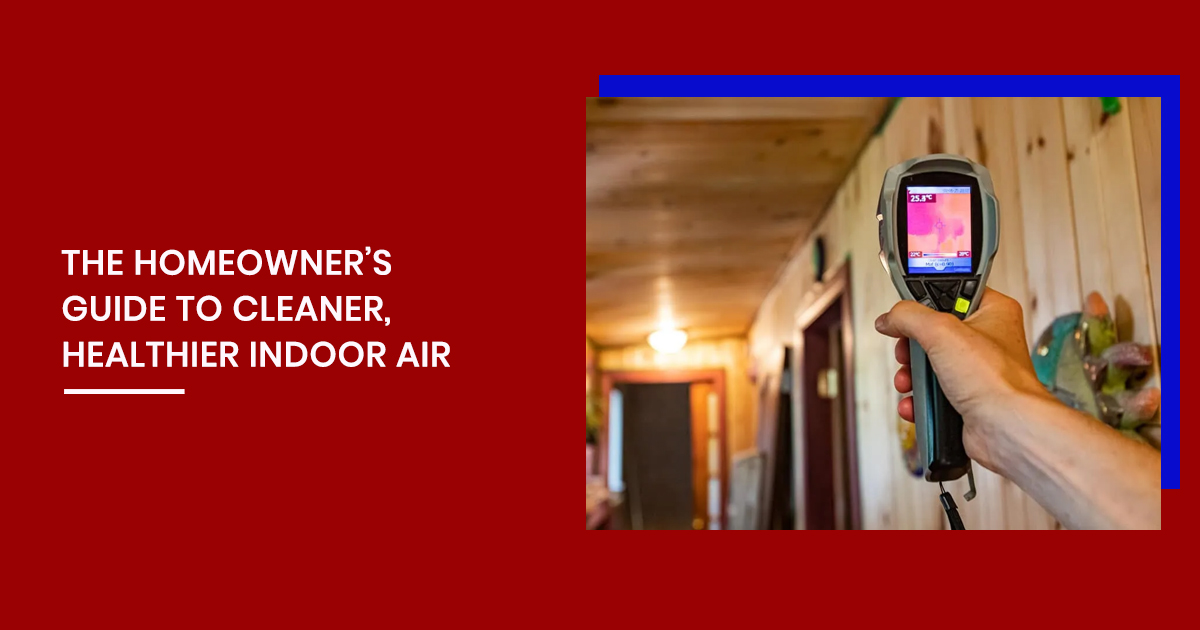
- DIY Air Quality Monitor: You can buy a basic indoor air quality monitor or sensor (often available online or at hardware stores). These devices can measure things like particulate matter (tiny dust particles), carbon dioxide, or total volatile organic compounds (TVOCs, a general measure of indoor chemicals). They typically display real-time readings. Keep in mind, a home monitor gives general levels – for example, a high particulate reading means fine dust or smoke in the air.
- Carbon Monoxide Detector: Every home with fuel-burning appliances (like a gas furnace or fireplace) should have a CO detector. This safety device alerts you to dangerous CO gas that you can’t smell. Test your CO detector monthly by following its instructions (usually it has a “test” button).
- Radon Test (Regional Concern): In some areas, radon gas from the ground can seep into basements. Short-term radon test kits are available at home centers. If the DIY test shows high radon, you’d follow up with a professional test (or have a radon mitigation system installed).
Getting Accurate Results
Keep in mind that many DIY tests and inexpensive monitors give you a general idea, not lab-perfect accuracy. For example, a small sensor might tell you there’s high dust in the air, but won’t identify exactly what kind (pollen, pet hair, wood smoke, etc.). Still, these tools can spot problems that need attention.
If a DIY test raises concerns – say it shows high dust or chemical levels – you have options:
- Repeat the test: Sometimes external factors (like cooking or cleaning) can spike a reading. Test again under normal conditions to confirm if it’s a continuous issue.
- Eliminate obvious sources: If the CO2 or dust is high, try increasing ventilation (open windows, run a fresh-air fan). If odorous chemicals are high, air out the area. Then test once more.
- Consider professional testing: For a thorough check, consider reaching out to an HVAC specialist or indoor air expert. For example, local experts like those at Lakebrink HVAC have advanced equipment and years of experience to test for a wide range of pollutants (everything from fine particulate matter to humidity issues or allergens). They can identify problems that home kits might miss, such as hidden mold or subtle building material off-gassing.
Smart HVAC controls can also help stabilize indoor air conditions — learn more here: how smart thermostats help manage home heating in winter
Easy Steps to Improve Your Air Quality
You might be surprised how much a few small changes help. Try these simple solutions:

- Change and Upgrade Your Filters: In your heating or cooling system, replace fiberglass filters with higher-quality pleated filters (look for ones labeled “HEPA” or high “MERV” rating). A better filter catches much smaller particles (like pollen and dust mites) that cheap filters let through. Change your HVAC filter regularly – at least every 3 months, or more often if it looks dirty. This keeps the system efficient and reduces the particles circulating in your air.
- Purify the Air: A portable air purifier with a true HEPA filter can significantly reduce dust, pollen, and pet dander in a bedroom or living room. Place it in the areas you use most or wherever allergens seem worst. Make sure the purifier’s filter is appropriately sized for your room (check the square footage). Remember to clean or replace the filter as recommended.
- Ventilate Your Home: When cooking or cleaning, turn on exhaust fans or open a window. Kitchen and bathroom fans help remove humidity and odors quickly. Even a window open for a few minutes can dilute any airborne chemicals. Just be mindful: if outdoor air is polluted (for example, on a very smoggy day), keep windows closed and rely on filtration instead.
- Control Humidity: Keep indoor humidity in the comfort range. In summer or in damp basements, use a dehumidifier to prevent mold growth. In winter or dry climates, consider a humidifier if the air feels too dry (dry air can irritate noses and throats and also stir up dust). The goal is balance – around 40% humidity is generally comfortable and healthy.
- Clean Smart: Regularly vacuum with a HEPA vacuum cleaner or one set to capture fine particles. Dust surfaces with a damp cloth (to trap dust rather than sending it back into the air). Wash bedding often – dust mites love sleeping spots. Also, consider having air ducts cleaned every few years if someone in the family has severe allergies or if you’ve had water damage, though for many homes this is not an urgent need.
- Use Low-VOC Products: When painting or using cleaners, select low-VOC or fragrance-free products. VOC stands for volatile organic compounds (common chemicals that can evaporate into the air). Minimizing these products keeps the air fresher. If you do have strong-smelling chemicals (paints, glues, etc.), use them in a well-ventilated area and keep babies and kids out until fumes clear.
When to Consider Professional Help
While many fixes are DIY, some situations call for a pro:
- Persistent Symptoms: If family members continue to have breathing issues or the root problem isn’t obvious, a home test might not be enough. A professional can do a thorough assessment. For example, unrecognized radon or a hidden mold colony might only show up when an expert inspects or tests the house systematically.
- High Pollutant Readings: If a DIY monitor shows consistently high levels (for example, very high particulate readings even after you clean and change filters), it might be time for advanced testing. Certified technicians use precise instruments to measure things like mold counts, formaldehyde, carbon monoxide, or ozone Leakage.
- Specialized Solutions Needed: Experienced HVAC professionals (like the team at Lakebrink with decades of experience) can install equipment that most homeowners don’t have. They can set up advanced filtration systems, calibrated whole-house dehumidifiers/humidifiers, or ventilation upgrades (such as fresh-air intakes). These solutions can make a big difference if simple fixes aren’t enough.
- Renovations or New Home: If you’re renovating or have a brand-new home, professional air testing can ensure off-gassing or construction dust is dealt with properly before moving in.
Keeping the Air Clean Long-Term
Once you’ve improved your air, keep it that way with these habits:
- Regular Filter Changes: Never skip this. A clogged filter means particles stay in your air and your system has to work harder (raising energy bills).
- Seasonal Maintenance: Have your HVAC system checked yearly. A tech can spot issues like hidden leaks, worn parts, or duct leaks that affect air quality and efficiency.
- Humidity Checks Each Season: Remember that warm weather often increases indoor humidity. Run dehumidifiers in basements or near laundry. In winter, if you use the heat a lot and the air gets very dry, use a small humidifier in bedrooms.
- Keep an Eye on Allergies: If allergy season starts early or seems worse than usual, you might need to adjust humidity or start cleaning more often around that time. Sometimes opening windows briefly in late evening (when pollen counts drop) can help flush out any accumulated indoor particles.
- Monitor Trends: Even after fixing a problem, consider re-testing occasionally. As seasons change or if you change home products, re-checking a few times a year helps catch new issues early.
Frequently Asked Questions
Q: What exactly can I measure with a home air quality monitor?
A: Basic monitors often measure dust (PM2.5), humidity, temperature, and sometimes a general VOC (chemical) level. They give relative numbers, not a list of specific chemicals. A rise in PM2.5 means more tiny particles in the air (from dust, smoke, or pollen). A high VOC reading just means “some chemicals are floating around.” These monitors catch broad trends, not exact causes.
Q: Are expensive monitors worth it over cheap ones?
A: More expensive monitors may have extra sensors (like specific gases) or some claim higher accuracy. However, even a basic monitor can tell you when air quality is changing. You don’t need top-of-the-line gear to notice if, say, the house feels dustier after vacuuming or a storm. The key is to look for jumps in the readings and then take action (clean, ventilate, etc.).
Q: How long should I test the air for?
A: For a quick check, a few hours can show if something is high. For example, run a monitor overnight to see if CO2 climbs (that suggests not enough fresh air while you sleep). For humidity or chemicals, watch a full day or even a week to see the pattern. If you use test strips for radon or mold (available at home stores), follow the kit’s instructions – often a few days for radon, or a week/month for mold.
Q: My DIY test shows a problem – what should I trust?
A: Take any high reading as a sign to dig deeper. If a radon test comes back elevated, confirm with a second test or call a radon specialist. If mold tests show spores, try cleaning visible mold (with gloves and a mask) and then clean again. If a dust reading is high, start with cleaning and see if it drops. If home fixes don’t bring it down, it’s worth getting a professional assessment.
Q: Should I just seal my home and never open windows to improve air quality?
A: Not exactly. While a well-sealed home can keep pollutants from sneaking in, you still need fresh air circulating. That’s why HVAC systems often have an “outside air” intake or why people use home ventilators. Fresh air helps dilute and push out indoor pollutants. In many climates, opening windows occasionally (when outdoor air is clean) is beneficial. In other cases, mechanical ventilation with good filters is best – a pro can advise based on your home.
Keeping Your Family’s Air Safe
Staying on top of indoor air quality means your family breathes easier every day. With simple DIY tests, you learn what might be lurking in unnoticed dust or fumes. And by taking steps like better filters, proper ventilation, and occasional pro check-ups, you’re acting proactively for everyone’s health.
Remember, small steps often lead to big improvements. Even running an exhaust fan while cooking, changing a filter on schedule, or adding a night-time air purifier in a child’s room can make a noticeable difference in how you feel.
We hope these tips give you confidence to assess and improve your own home’s air. For easier home wellness advice, feel free to follow our page. If you ever need more guidance or a professional check, local experts (like Lakebrink’s team) can walk through it with you. Stay comfortable, stay informed, and breathe easy!