

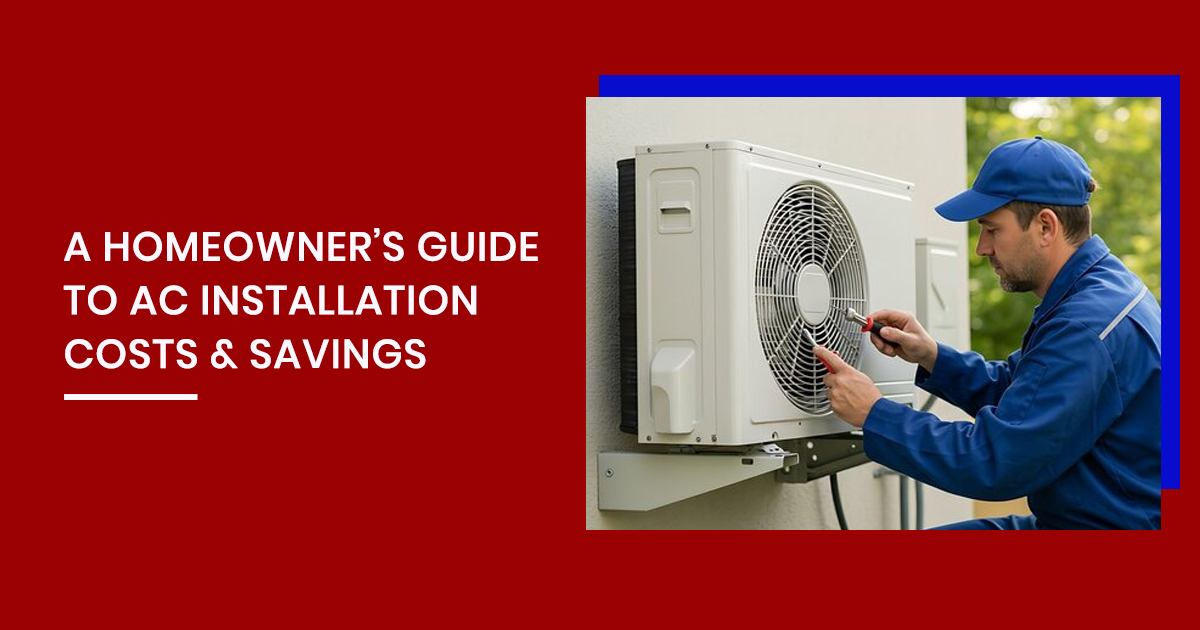
Planning to install or replace an air conditioner this spring? You’re not alone. With summer heat around the corner, many homeowners call for cooling quotes. Understanding AC installation costs and the savings a new system can offer helps you make a smart decision. This guide breaks down what drives the price of a new home air conditioner, how to lower your out-of-pocket expense, and ways a modern AC can keep saving you money for years. We’ll explain how factors like system size, efficiency, and features affect cost, and highlight rebates, financing, and expert tips (from local pros like Lakebrink HVAC in Union, MO) so you get the best value.
Replacing an old air conditioner can be one of the pricier home upgrades. But in the long run, a high-quality, energy-efficient system often lowers energy bills and reduces repair headaches. The key is knowing how to balance upfront cost against ongoing savings. For example, newer AC models often come with higher Seasonal Energy Efficiency Ratio (SEER) ratings, meaning each hour of cooling uses less electricity. That efficiency difference adds up over the summer months. Plus, utility rebates and low-interest financing can bring the net cost down. Keep reading — this guide will walk you through all the essentials of AC install pricing and savings, so you can plan a budget-friendly upgrade without sacrificing comfort or quality.
Table of Contents
- Key Factors That Influence AC Installation Cost
- Typical AC Installation Costs
- Tips to Reduce Your AC Installation Cost
- Energy Efficiency and Long-Term Savings
- Rebates, Incentives, and Financing Options
- Choosing the Right AC for Your Home
- Frequently Asked Questions
- Conclusion and Next Steps
Key Factors That Influence AC Installation Cost
Before you get a quote, understand that air conditioner installation cost varies widely. No two projects are exactly alike. The main factors include:
- Type of AC System: A central air conditioner (which uses ductwork to cool a whole house) generally costs more than a single-room window unit or portable AC. If you already have ductwork (common in many homes), replacing a central AC still involves handling an outdoor compressor and indoor coil. Ductless mini-split systems (wall-mounted units with an outdoor compressor) are another option, usually sitting between window and central systems in price. Installing systems with ductwork (or adding ducts) adds complexity and price.
- Capacity and Size: Air conditioners come in different cooling capacities (measured in tons). A larger home requires a bigger (higher-tonnage) system. Bigger units cost more to manufacture and install. Getting an AC that’s too small means it won’t cool properly. Too big means it will cycle on and off too quickly, wasting energy and reducing comfort. Licensed HVAC contractors perform a “load calculation” to pick the right size for your home. Correct sizing helps ensure you’re not paying more than needed.
- Efficiency Rating (SEER): Newer AC units carry an efficiency rating called SEER. Higher-SEER models cost more upfront but use less electricity. For example, a 16-SEER unit (one of today’s common high-efficiency ratings) will typically cost more than a 14-SEER model, but it will use noticeably less power to run. That translates to lower electric bills over the years. Higher efficiency equipment may also be eligible for rebates or tax credits (covered later).
- Brand and Model: Premium brands or models often cost more than budget units. Well-known manufacturers like Daikin, Trane, Carrier, and Lennox may have higher sticker prices, but they often back up their products with strong warranties and performance. Compatibility matters, too. If you’re only replacing the AC and keeping the furnace, it’s best to choose a brand/design that matches your existing furnace or coil. Mismatched parts could reduce efficiency or complicate installation.
- Installation Complexity: This covers labor and special requirements. Simple installations (swapping an old outdoor unit for an identical new one) are quicker. But major upgrades—adding refrigerant lines, installing or replacing ductwork, running new wiring or a new thermostat, or mounting units on a roof or higher foundation—take more time and skill. Tight access or multiple stories can add cost too. In general, hiring a qualified, local technician ensures the job is done right and safely, but that expertise is priced in.
- Local Labor and Permit Costs: HVAC labor rates differ by region. In the St. Louis/Union, MO area, you’ll pay prevailing local wages. Also, most counties/cities require an electrical or building permit for an AC installation. Permit fees vary (sometimes around $100–$300). A licensed contractor will handle permits, but the permit cost and any required inspections add to the total project bill.
- Time of Year: If you install in the peak of summer (July/August), contractors are busiest and some may charge more or have limited schedule. Off-peak seasons (late fall, winter, or early spring) are often slower. Booking in early spring can not only avoid the rush but sometimes qualify you for better deals or promotions.
- Additional Upgrades: If your installation needs extras (for instance, installing a dedicated trunk line, adding a drain, insulating refrigerant lines, or upgrading electrical service), that adds to cost. Always ask what’s included. An honest installer like Lakebrink will explain what is needed for your situation (for example, many Missouri homes have a “thermostat wire” or “breaker capacity” requirement to check).
In summary, the more work and complexity, the higher the price tag. Always get multiple estimates from reputable HVAC companies, and ensure they break out labor, equipment, and permitting clearly. That way, you can compare quotes apples-to-apples.
Typical AC Installation Costs
It’s natural to want a ballpark number. A home AC replacement often runs into the several-thousand-dollar range, but the exact figure depends on the factors above. Here’s a rough idea of what goes into the total:
- Equipment: The AC unit (outdoor condenser) and indoor components (like the evaporator coil) usually make up a large portion of the total. High-efficiency or specialized units can cost more. As a very general reference, a new mid-range central AC unit might cost a few thousand dollars just for the equipment. Premium brands and higher tonnage raise that.
- Labor: Installation labor could be another large chunk. This covers the technicians’ time to hookup the unit, install the coil, test the system, and ensure code compliance. Expect more time (and more labor cost) if new ductwork or electrical adjustments are needed.
- Ductwork and Accessories: If duct modifications or additions are needed (for a new branch, sealing old ducts, or insulation), that could add hundreds to thousands more. Accessories like a new thermostat, more efficient filter, or better airflow kit also add to the final bill.
- Materials and Overhead: This includes fittings, refrigerant (sometimes new refrigerant charge is needed), loads of copper lines, electrical wiring, and cleanup/disposal of the old unit. These small costs add up, often a few hundred dollars once combined.
- Permits and Inspections: Usually less than 5–10% of total project cost, but no installation should skip the permit. A professional contractor like Lakebrink includes this in the estimate to ensure safety and warranty protection.
Ballpark Figures
Without quoting exact numbers, it’s safe to say a simple AC unit swap on an existing system often costs a few thousand dollars in total. More involved jobs (installing a new system where none existed, or upgrading to a much larger unit) can easily rise into the higher thousands. For example, replacing a 10-year-old central AC with a new, high-efficiency unit in a mid-sized home might cost in the mid-range, whereas adding a ductless split system or an extra-large unit for a big house would cost more. Prices also vary significantly between regions.
Because price ranges are broad, the best approach is to get an accurate quote. Lakebrink’s experienced team (in Union, MO) measures your home, checks your current system, and gives a detailed estimate. They’ll explain each part of the quote so you know why the figure is what it is. Remember: an accurate quote up front helps you avoid surprise costs later.
Tips to Reduce Your AC Installation Cost
Upfront costs can be minimized by planning wisely. Here are practical strategies that many budget-conscious homeowners use:
- Compare Quotes: Don’t accept the first price you see. Get 2–3 bids from licensed HVAC contractors. Be sure each quote covers the same work (same unit size, same services). Comparing helps ensure the price is fair. And when you compare, ask each contractor if they can match competitors on reputable brands or efficiency level. (Tip: Lakebrink welcomes comparison and will walk you through why their offer is competitive and what’s included.)
- Off-Season Booking: Consider scheduling the installation in spring or fall, when HVAC demand is lower. Contractors may be more motivated to offer discounts or promotions. Plus, you avoid day-of discomfort if your old system breaks in peak summer heat.
- Invest in Efficiency (Long-Term Savings): It might seem counterintuitive, but sometimes spending a bit more on a higher-efficiency system can save money over time. For instance, if two quotes have the same tonnage AC but one unit is 16-SEER and the other 14-SEER, the 16-SEER unit uses less electricity. Over the payback period of a few years, the energy savings often offset the higher purchase price. In some cases, rebates (see next section) also make the cost difference smaller. So consider the life-cycle cost, not just the sticker price.
- Understand Financing Options: Many homeowners stretch out their payments with financing. If your contractor or your bank offers a 0% or low-interest plan for energy-efficient installations, that can ease immediate budget pressure. Don’t let financing add hidden fees—make sure you understand terms. If credit financing through the contractor is available, compare it to a personal loan or credit union home improvement loan. Sometimes local utilities also partner on loans for efficient appliances.
- Check for Rebates and Incentives: Before you buy, research available rebates (further details below). In some cases, you can get hundreds of dollars back. After a rebate, your actual net cost could be substantially lower than your quote.
- Existing Equipment Reuse: If possible, reusing parts can save money. For example, reusing the existing ductwork can cut costs (instead of building new ducts). If the old thermostat still works, no need to replace it again (unless you want a smart thermostat, which could itself save energy). Lakebrink will help you weigh reusing versus upgrading components.
- Proper Maintenance of Old AC: If your old AC is still running and you’re not quite ready to replace it, tune it up. Cleaning coils, fixing leaks, and replacing filters might squeeze a bit more life (and energy efficiency) out of it, giving you more time to save for a new system. (However, a very old AC often has hidden problems, so weigh the maintenance cost against the uncertainty of breakdown.)
By using these tactics, you might shave hundreds of dollars off the full cost. For example, scheduling ahead and applying a rebate could each knock 5–10% off the final bill. Every saving tip adds up.
Energy Efficiency and Long-Term Savings
One of the biggest hidden benefits of a new AC is lower energy bills. In many parts of the country, running the air conditioner is one of the largest chunks of summer electricity use. That means even modest improvements in efficiency can make a noticeable difference over time. Here’s how:
- Higher SEER Equals Lower Bills: Think of SEER (Seasonal Energy Efficiency Ratio) as a miles-per-gallon rating for AC. A higher SEER rating means the system cools with less power. If your old AC had maybe 10 SEER (common 15–20 years ago) and you upgrade to 16 or 18 SEER, you could see energy use drop significantly when cooling. In practice, a new high-SEER AC might run up to 30% (though we won’t quote an exact figure) less energy than an old low-SEER unit under similar conditions. That saving shows up on your monthly bill, not in a fancy stat, so you can feel the difference pocketbook.
- Improved Home Comfort: Modern AC units cool more evenly and manage humidity better. That means you likely need the AC to run less time to achieve the same comfort. Less runtime equals less cost. Also, features like variable-speed blowers and better airflow ensure steadier temperatures without the loud on/off cycling of old machines. A more comfortable home often means lower thermostat settings (so you might set it a degree higher for comfort, saving even more).
- Reduced Repairs & Longer Life: A new AC will come with fresh warranty coverage, meaning if something breaks, it’s often covered. This avoids surprise repair bills that can add up over an old AC’s last years. Reliability is a form of savings – fewer breakdowns means fewer emergency bills.
- Example Comparison: Let’s say two neighbors each have a 10-year-old AC. One replaces it with the cheapest available unit; the other invests in a high-efficiency model. Initially, the second neighbor pays a bit more. But over the next 5–10 years, their electricity bills are consistently lower in the summer and they avoid a big repair on the old broken unit. In contrast, the first neighbor may pay more to run the less efficient system and might need to replace it again sooner. In the long run, the higher-SEER choice often pays off.
To maximize these savings, proper installation is key. A poorly installed unit (incorrect refrigerant charge, leaky ductwork, or improper size) can waste efficiency. That’s why hiring a qualified HVAC installer matters. A good contractor will ensure the new system operates at peak efficiency. For example, Lakebrink technicians follow manufacturer guidelines exactly, so the refrigerant charge is right and the airflow is balanced.
Finally, remember that energy rates can rise over time. Staying with an old inefficient AC essentially locks in higher costs per degree of cooling as electricity prices go up. A new efficient AC shortens the time it takes to cool your home, minimizing the impact of higher future rates. In practical terms, while no AC can prevent price hikes by your utility, an efficient one can help keep your bills from climbing as fast.
Rebates, Incentives, and Financing Options
Good news: the government, utilities, and manufacturers often encourage efficiency through rebates or tax breaks. Not every program applies to every situation, but here’s what homeowners commonly find:
- Federal Tax Credits: Recent laws (like the Inflation Reduction Act) include tax credits for energy-efficient home upgrades. For example, installing an ENERGY STAR-rated central AC might qualify for a federal tax credit (a credit is even better than a deduction, as it is a straight offset on your taxes). The exact amount can vary, and qualifying criteria often include minimum efficiency levels or combining with other upgrades. It’s wise to check the current IRS guidance or ask a tax professional. (But don’t rely on it until you’ve done so, since tax programs can change.)
- Local Utility Rebates: Many local electric utilities or co-ops offer rebates when you upgrade to high-efficiency cooling. For instance, some utilities provide instant rebates on select AC models sold through certain dealers. Lakebrink partners with programs like the Daikin FIT Program, which offers instant rebates (as much as about $1,450 on a qualifying high-efficiency Daikin unit). Other brands may have similar deals. Also, check with your electric company or municipal utility. Even if the rebate is a few hundred dollars, that’s free money to lower your cost.
- State and Municipal Incentives: Some state energy offices or cities have incentive programs (though Missouri’s are more limited to tax credits currently). For example, Missouri’s Department of Natural Resources may have residential energy programs; some counties offer local rebates. It’s worth asking Lakebrink or your installer if they’re aware of any local programs when you mention your zip code.
- Manufacturer Promotions: Throughout the season, HVAC manufacturers run sales or promotional financing. For instance, around spring there might be offers like “0% APR for 6 months on qualifying purchases” or bundled deals (new unit plus smart thermostat). Watch for these deals; they can defer or reduce the actual amount you finance.
- Contractor Financing: If an upfront payment is tough, many HVAC companies offer financing through banks or finance companies. These might include options like low monthly payments or deferred interest. Terms vary widely, so scrutinize the fine print. A good sign is when an installer can pre-qualify you on the spot or work with local credit unions. Financing shouldn’t be the only reason to pick a contractor, but it can help manage cash flow. Always compare any financing offer with a personal loan or home equity loan to find the best rates.
- Energy Efficiency Programs: In rare cases, energy upgrade programs will cover more of the cost. For example, federal/state programs exist to improve home energy (often for low-income households). If you navigate those programs directly (like NOAA rebates or the federal Weatherization Assistance Program), you might get additional help. This can require more paperwork, though. Lakebrink’s team can advise if you might qualify for special grant programs or switch to a heat pump (which sometimes have separate incentives).
How to Use These Incentives
When you talk to your installer, mention that you’re interested in rebates or credits. A local expert usually knows what’s available currently. For example: “Lakebrink’s specialists stay up to date on all the latest funding programs. We’ll help identify which ones you qualify for and even handle the paperwork.” That’s a big advantage.
One trick: always wait to apply payments until after incentives. If it’s an instant rebate, make sure the dealer deducts it from your price immediately. For mail-in rebates or tax credits, plan for an upfront payment and follow instructions to claim the money back later. Keep all your receipts and manufacturer documents in case you need them.
By combining a smart purchase with available incentives, the effective cost of your new AC can drop significantly. In practice, we often see homeowners offset hundreds of dollars off their final bill. At the very least, discussing these options with a professional installer is free and easy – and completely in your favor to explore.
Choosing the Right AC for Your Home
While budgets matter, remember you’re not just buying an appliance, you’re investing in comfort and reliability. Here are some points to help choose wisely:
- Size Matters: As mentioned, an AC that’s too small won’t cool effectively, while one that’s too large will short-cycle and waste energy. A licensed installer will calculate the right tonnage. Sometimes this means keeping your existing HVAC contractor or switching to a different type of system for better sizing. For example, homes without ducts might go with multiple smaller ductless units rather than one big central AC.
- Brand and Quality: Look for reputable brands with good service networks. High-quality units often last longer and require fewer repairs. In Missouri, Lakebrink often installs brands like Daikin, known for efficiency and reliability (and for running that handy Fit rebate). The specific model (“Fit” is Daikin’s line) might come with an attractive warranty. Brand choices can also affect repair availability and part costs in the future.
- Advanced Features: Today’s ACs include modern features. Some have variable-speed compressors or multi-stage cooling, which fine-tune cooling power and can improve comfort and efficiency. These options cost more up front but can be worthwhile in hot climates. Others support smart thermostats or zone control. If your family needs and budget allow, discuss these with your contractor. Lakebrink’s team, for instance, can explain how a smart thermostat pairs with your new AC to optimize run times.
- Installation Quality: As important as the unit itself is how well it’s installed. A top-tier AC installed poorly will underperform. Make sure the installer will handle or check:
- Proper Refrigerant Charge: Technicians use gauges to apply the right amount of refrigerant. Too little or too much harms efficiency and lifespan.
- Correct Electrical Setup: The wiring and breaker size must match the unit’s requirements for safety and to avoid nuisance trips.
- Airflow Calibration: Vents and ducts must be balanced so every room gets the right airflow. Sometimes a small adjustment in ductwork or a new vent grille is needed.
- Full System Test: After installation, a good contractor tests the whole system under heat (with a “heat load” if needed) to ensure it cools properly at design conditions.
Don’t be embarrassed to ask your installer how they ensure these steps. A professional company like Lakebrink will tell you confidently, and may even show you on completion.
- Local Climate Suitability: Union, MO sees hot, humid summers. An AC here needs to handle high humidity. This often means staying on longer to remove moisture from air. So a slightly higher-rated AC (in tons) might be chosen over a minimal cooling-only size. Also ensure good insulation in the home so the AC isn’t fighting leaks. Even the best AC won’t save money if the house leaks air or has poor insulation. It’s worth sealing gaps and checking duct insulation before or during install.
- Warranties and Service Plans: Check the manufacturer’s warranty on the new equipment (some offer 10 years on the compressor, 5 years on parts, etc.). Also ask if the contractor offers a maintenance plan. Regular tune-ups (done annually) keep efficiency high. Sometimes bundled maintenance plans offer value and peace of mind.
In short, balancing price with the right features is the goal. A bargain-bin AC might save you money today but could cost more tomorrow in bills and repairs. Conversely, the absolute top-of-the-line model might match your budget differently. Work with your installer to find a system that fits your home’s size and your comfort goals. Lakebrink’s approach, for example, is always to tailor recommendations to the home’s specifics and the homeowner’s budget, not to push the most expensive option unnecessarily.
Frequently Asked Questions
Q: How much should I plan to spend on a new home AC?
A: Every home is different. A simple AC replacement (same size, same location) might run you in the lower thousands of dollars. A larger home or a more complex project (like a new ductless system or extra ductwork) could be higher. Think in terms of “a few thousand” rather than an exact figure. The best step is to request a free estimate. Lakebrink’s experts will give a line-item quote so you see exactly what drives the cost.
Q: Will a new AC really lower my electricity bill?
A: In most cases, yes. Older units (especially over 10–15 years old) lose efficiency. A modern high-SEER AC uses less power for the same cooling output. Many homeowners see noticeably lower summer bills. Keep in mind that exactly how much you save depends on your usage habits, insulation, and electricity rates. But given today’s energy costs, even 10–20% less usage in cooling hours adds up to real savings.
Q: Are there really rebates or tax credits available?
A: Absolutely. Incentive programs exist at various levels. For example, manufacturers like Daikin offer instant rebates up to about $1,450 on certain AC models (ask your installer which models qualify). Some utility companies have rebate programs for efficient appliances. And federal tax credits may cover a portion of qualifying HVAC upgrades. It varies year to year, so check current programs. When you get quotes, ask the HVAC provider if they handle rebates; they often do the legwork. This guidance was part of Lakebrink’s offered services in the past, and they can help you file for applicable credits or rebates.
Q: Can I finance my AC installation?
A: Yes. Many homeowners don’t have the full installation cost on hand, so financing can help. Options include: financing plans through the HVAC company, home improvement loans, or credit cards with intro APR offers. Make sure you understand the interest rate and terms. Some contractors partner with lenders for quick approval. If you prefer, discuss options with your bank or credit union. Lakebrink’s office can often estimate monthly payments for you if that’s an option. The advantage of financing is that you can replace your AC now (enjoying the comfort and efficiency) and pay it off over time.
Q: How long does AC installation take?
A: Most residential AC replacements are completed in one day (often 4–8 hours of actual work). It may take longer if your old system needs to be removed carefully or if there’s additional ductwork. Your installer should plan for any downtime. For example, Lakebrink usually schedules installations so that if any part of one day overlaps with night, they can return early the next morning to finish, ensuring your cooling isn’t off for long. Always confirm timeline with the installer beforehand.
Q: Should I replace my AC now if it still cools?
A: If your current AC is over 10 years old and it’s been costing more to fix, it may be time. Even if it still works, older units run much less efficiently. Consider whether your energy bills have been creeping up or if repairs needed are frequent. Sometimes a tune-up can give a bit more life (and energy efficiency) out of it, giving you more time to save for a new system. However, a very old AC often has hidden problems, so weigh the maintenance cost against the uncertainty of breakdown. If you’re unsure, get an expert’s opinion – Lakebrink offers consultations to assess whether maintenance or replacement is best for each case.
Q: What maintenance should I do after installation?
A: Keep the new system well-maintained to maximize savings. Replace or clean filters every month or as recommended. Keep vents unobstructed. Have the system serviced annually: a tech will check refrigerant levels, tighten electrical connections, clean coils, and ensure everything’s running smoothly. Regular maintenance preserves efficiency and warranty coverage. Many contractors (like Lakebrink) offer maintenance plans tailored for homeowners, which can save some money on each service visit and ensure you don’t skip inspections.
Conclusion and Next Steps
Upgrading or installing a new air conditioner is a significant investment, but done right it pays back in comfort, reliability, and ongoing energy savings. The cost will depend on your home’s size, the type of system, and how complex the installation is. You can manage the expense by shopping smart, capitalizing on rebates or financing, and prioritizing quality and efficiency.
Working with a knowledgeable local HVAC professional is key. For example, Lakebrink’s experienced team (serving Union, MO and nearby areas) can give you an accurate written quote after inspecting your home. They stay current on programs like the Daikin FIT rebates, teach you about the best options, and guide you through financing if needed. Their customers appreciate getting clear information instead of a pushy sales pitch – it matches our straight-forward advice here.
Here’s your next step: Reach out to a trusted local installer for a quote or consultation. Bring notes on your electric bill and any program info you found. Ask about efficiency programs and financing. If you live in our service area, Lakebrink HVAC’s air conditioning page has tips and a request form for free estimates. Even if you’re elsewhere, the strategy is the same: make sure whoever quotes you is transparent and qualified.
Finally, stay informed as you go. Check our blog for more HVAC tips (we regularly post guides on maintenance and upgrades) or follow us on social media. When you’re ready, a professional estimate will lock in your cost and timeline so there are no surprises.
You’ve got options, and you don’t have to figure it out alone. Contact Lakebrink (or your local AC expert) with your questions or to schedule a time for a personalized estimate. We’re happy to explain your choices, walk you through potential rebates, and help you find a plan that fits your budget and keeps your home cool and comfortable.